

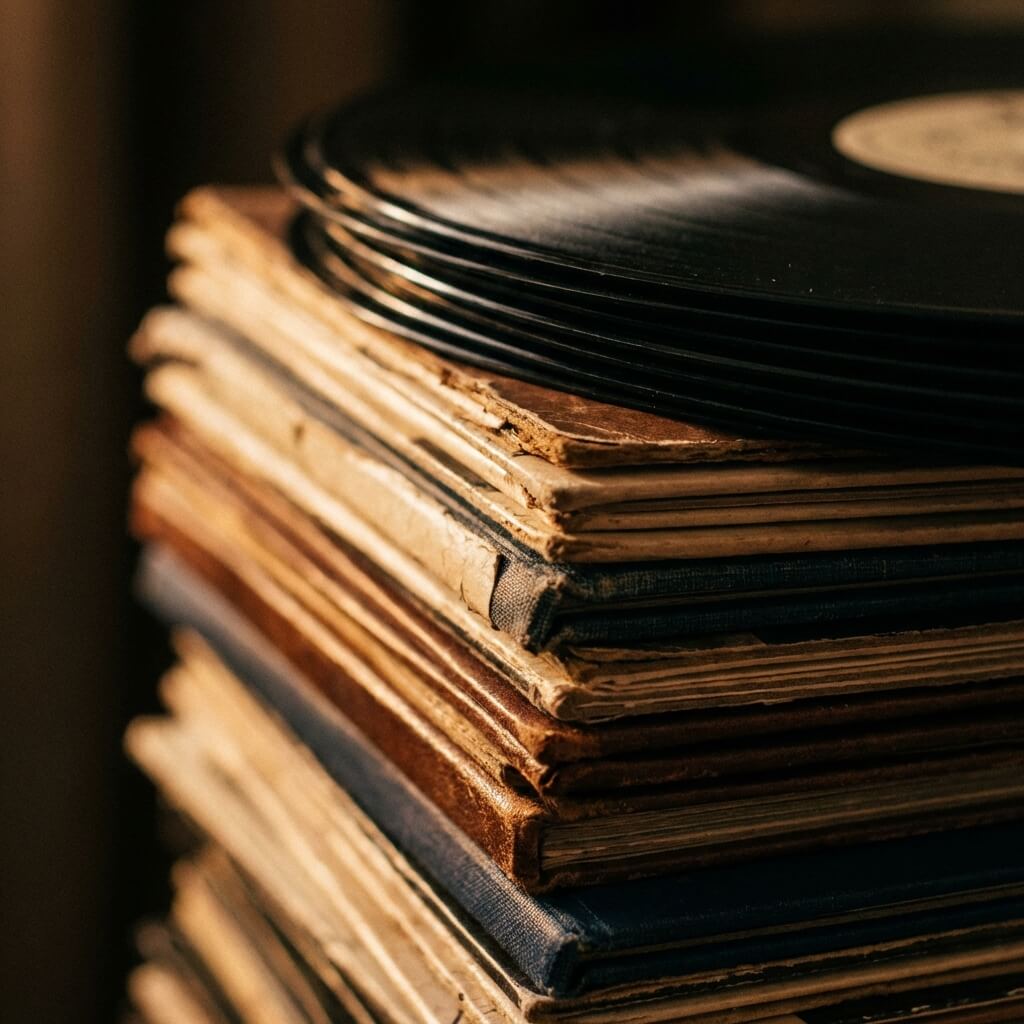
Determining the value of vinyl records requires expertise, market knowledge, and an understanding of multiple valuation factors. Whether you’re assessing a single rare pressing or an entire collection, knowing how to accurately appraise vinyl records is essential for collectors, sellers, and insurance purposes.
This comprehensive guide walks you through the professional framework used by experts to determine vinyl record worth, from condition grading to market demand analysis.
Key Takeaways
- Condition is the #1 factor affecting vinyl value—a VG record typically sells for 25-35% of its NM equivalent
- The Goldmine Grading Standard provides objective criteria for assessing vinyl and sleeve condition
- First pressings, regional variants, and special editions can command significant premiums
- Rarity without demand doesn’t create value—a record must sit at the intersection of scarcity and collector interest
- Real market value comes from completed sales, not active listings
The Goldmine Grading System
Condition is the single most significant determinant of a record’s value. The industry uses the Goldmine Grading Standard, which provides objective criteria for both vinyl and sleeve condition.
Grade Definitions
| Grade | Abbreviation | Description |
|---|---|---|
| Mint | M | Perfect condition. Unplayed, often sealed. |
| Near Mint | NM | No visible wear. Plays without surface noise. |
| Very Good Plus | VG+ | Light wear. Minor surface noise in quiet passages. |
| Very Good | VG | Noticeable wear. Surface noise present but not overwhelming. |
| Good | G | Heavy wear. Significant noise but plays through without skipping. |
| Fair / Poor | F / P | Damaged. Skips, scratches, or warping present. |
Pricing Impact: A record graded as VG typically sells for 25–35% of its NM equivalent. At G, this drops to 10–15%.
Understanding these distinctions is critical for accurate vinyl appraisal. A first pressing of a sought-after album in VG condition may be worth less than a common reissue in NM condition.
Pressing Variables That Affect Value
Beyond condition, several pressing-specific factors influence vinyl record pricing:
First Pressings
Original pressings from the initial manufacturing run command premium prices. Identification typically relies on:
- Matrix codes in the runout area.
- Label design variations specific to early runs.
- Catalog number formats that changed over time.
Regional Variants
Certain countries developed reputations for superior pressing quality:
- Japanese pressings: Known for pristine vinyl compounds and meticulous quality control.
- UK originals: Often preferred for British artists due to proximity to mastering sources.
- German pressings: Valued for audiophile-grade manufacturing standards.
Special Editions
Limited runs, colored vinyl, numbered editions, and promotional copies often carry premiums—though rarity must be balanced against actual demand.
The Demand Factor: Where Rarity Meets Interest
Rarity alone does not create value. A record must sit at the intersection of scarcity and collector interest. Consider:
- Genre popularity: Jazz, punk, and progressive rock from the 1960s–1980s consistently command high prices.
- Artist legacy: Records by artists who died young or had short careers often appreciate.
- Cultural relevance: Soundtracks, regional scenes, and cult releases can spike in value unpredictably.
Practical Valuation Workflow
For collectors seeking to assess their holdings:
- Identify the exact pressing. Use matrix codes and label details from resources like Discogs.
- Grade honestly. Conservative grading builds market credibility and prevents disputes.
- Check completed sales. Active listings mean nothing—only actual sales reflect true market value.
- Account for condition. Adjust expectations based on grade differentials outlined above.
How DiscSnap Streamlines Vinyl Valuation
Manual research is time-intensive and requires expertise. DiscSnap accelerates this process by:
- Instantly identifying pressings via AI-powered visual recognition—no matrix code transcription needed.
- Providing real-time market ranges (Low / Median / High) based on recent sales data.
- Tracking collection value over time for insurance documentation and resale planning.
Whether you’re a seasoned collector or just inherited a vinyl collection, DiscSnap makes professional-grade valuation accessible in seconds. Try DiscSnap free and discover what your records are really worth.
Quick Tips for Accurate Vinyl Appraisal
- Clean records before grading – Surface dirt can mask actual condition
- Inspect under bright light – Hairline scratches are invisible in dim lighting
- Play-grade suspicious pressings – Visual inspection alone can miss playback issues
- Document provenance – Original receipts, autographs, or concert tickets add value
- Check both vinyl and sleeve – Both contribute to overall grade and value
Frequently Asked Questions
How do I know if my vinyl record is valuable?
Check for three factors: (1) pressing rarity (first pressings, limited editions), (2) artist significance and genre demand, and (3) condition (NM or better). Cross-reference completed sales on Discogs or use DiscSnap’s AI identification to get instant market value estimates.
What makes a vinyl record worth money?
Value comes from the intersection of rarity, demand, and condition. A record can be rare but worthless if no one wants it, or highly sought-after but cheap if pressed in large quantities. Condition is king—a VG copy of a rare record may be worth less than a NM copy of a common title.
Are old vinyl records worth anything?
Age alone doesn’t determine value. Many vintage records from the 1960s-1980s are valuable due to limited pressings and cultural significance, but millions of common albums from that era sell for $1-5. The key is identifying which pressings collectors actively seek.
How much is my vinyl collection worth?
Individual appraisal is necessary. Use DiscSnap to scan each record and get instant valuation ranges based on pressing identification and current market data. For insurance purposes, document condition grades and maintain updated inventory records.
What’s the best way to sell valuable vinyl records?
For high-value items ($100+), sell on specialist platforms like Discogs or through auction houses. For bulk collections, consider dealers who buy collections outright. Always grade conservatively and provide clear photos to avoid returns and disputes.
Accurate valuation protects both buyers and sellers. Informed collectors make better decisions—and DiscSnap is designed to make that information instantly accessible, whether you’re at a record fair, estate sale, or cataloging your personal collection.