

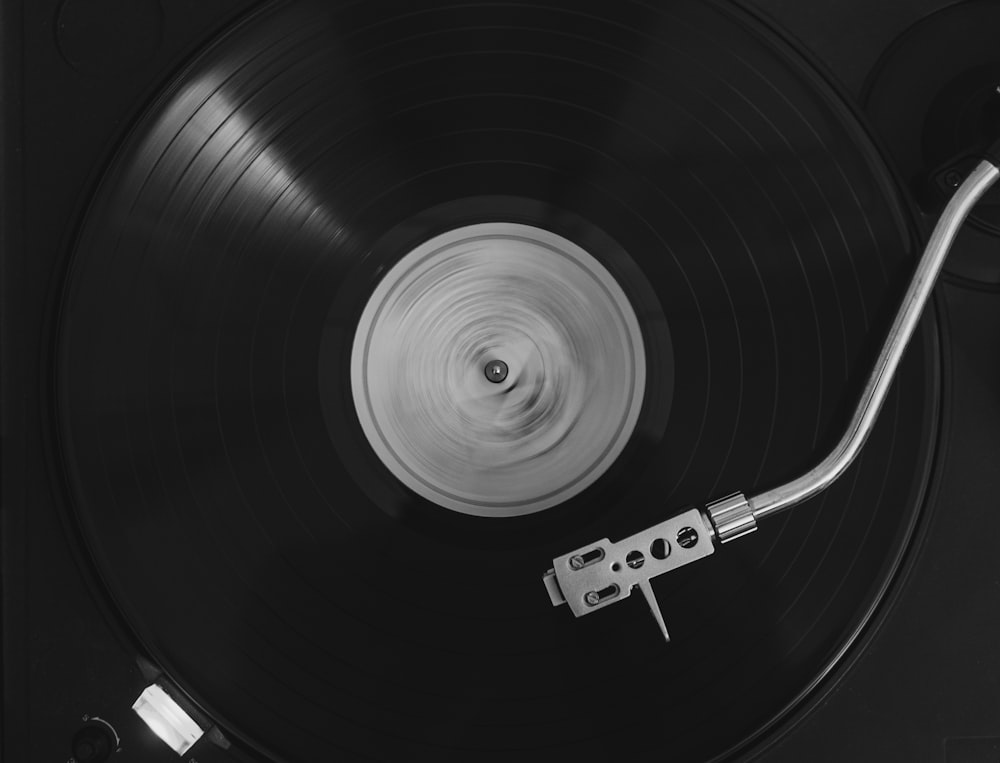
Vinyl records are beautiful, tangible, and sound incredible. But they are also fundamentally fragile. They are, after all, pieces of PVC plastic with microscopic grooves carved into them, designed to be dragged by a tiny diamond needle.
If you’ve recently used the DiscSnap app to scan your collection and were pleasantly surprised to find that your vintage copy of The Dark Side of the Moon is worth over $150, you suddenly have a vested interest in keeping it that way.
Poor storage and lack of cleaning can literally destroy a record’s value overnight. A Near Mint (NM) record can become a Fair (F) record if stored improperly next to a radiator, leaving you with nothing but a warped piece of plastic.
Here is your essential guide to ensuring your records maintain their audio fidelity and their market resale value.
1. The Cardinal Rule of Storage: Always Vertical, Never Flat
If you take nothing else away from this guide, remember this: Never stack your records flat on top of each other.
Stacking records creates immense uneven pressure. This leads to two disastrous outcomes:
- Warping: The vinyl will slowly bend under the weight, rendering it unplayable and drastically reducing its value.
- Ring Wear: The heavy pressure forces the circular shape of the record to press against the cardboard sleeve, leaving a permanent, faded white ring on the artwork.
The Solution: Store your records completely vertically, like books on a library shelf. Use sturdy shelving units (like the famous IKEA Kallax) that provide side support so the records don’t lean heavily against each other.
2. Climate Control: Keep It Cool and Dry
Records are highly sensitive to their environment.
- Heat is the enemy: Never leave a record in a hot car, in direct sunlight, or next to a heating vent. High temperatures will wrap a record in minutes. The ideal storage temperature is between 65–70°F (18–21°C).
- Humidity breeds mold: High humidity can cause mold and mildew to grow on both the cardboard cover and inside the grooves of the record itself. Aim for a relative humidity between 40-50%. If you live in a damp climate, a dehumidifier near your collection is a wise investment.
3. Ditch the Paper, Upgrade Your Sleeves
The inner paper sleeves that come with 90% of new and vintage records are actually terrible for the vinyl. As you slide the record in and out, the rough paper acts like micro-sandpaper, leaving hairline scratches. Worse, paper creates a massive amount of static electricity, which turns your record into a giant dust magnet.
The Solution:
- Invest in poly-lined anti-static inner sleeves. These are smooth plastic sleeves designed to reduce friction and eliminate static. Whenever you buy a new record, take it out of the paper sleeve, put it in the anti-static sleeve, and slide that back into the jacket.
- Use clear plastic outer sleeves. To protect the artwork from shelf-wear, corner dings, and dust, slide the entire cardboard jacket into a protective clear outer sleeve.
4. Cleaning: The Dry Sweep vs. The Deep Clean
Playing dirty records doesn’t just sound bad (pops, clicks, and static hiss); it physically damages your gear. The stylus will act like a snowplow, driving dirt deeper into the microscopic grooves and permanently scarring the vinyl.
The Everyday Dry Sweep
Before and after every single play, you should use an anti-static carbon fiber brush.
- Start the turntable spinning.
- Gently hold the brush lightly against the surface of the record. (Do not press down hard!)
- Let the record spin beneath the brush for a few rotations, then slowly pull the brush toward the outside edge to sweep the dust off. This simple 10-second ritual will dramatically extend the life of your records.
The Deep Wet Clean
Used records found at thrift stores, or records that have suffered years of neglect, require a deep wet clean to remove fingerprints, smoke residue, and deeply embedded grit.
- The Budget Way: Use a dedicated vinyl cleaning solution (or a homemade mix of distilled water, a drop of isopropyl alcohol, and a tiny drop of dish soap) and a very soft microfiber cloth. Wipe in a circular motion following the grooves. Let it dry completely. Never use tap water, as it leaves mineral deposits.
- The Pro Way: Invest in a Spin-Clean system, a vacuum record cleaning machine (like a Record Doctor), or an Ultrasonic cleaner. These machines physically pull the dirt out of the deepest parts of the groove, quite literally making old records sound brand new.
5. Handle Like a Pro
Finally, how you hold the record matters. The oils on your fingertips contain acids that will eat into the vinyl over time and attract dirt.
Always handle records by their outer edges and the center label. Never pinch the grooved playing surface.
By adopting these storage and cleaning habits, your collection won’t just look impressive on the shelf—it will sound pristine on the turntable, and hold its structural and financial value for decades to come. And when you decide to scan them all with DiscSnap to see what they are worth, you’ll be glad you took such good care of them.